Platform architecture

The Irys Platform

This page should feel more like the actual platform overview: how the monitoring layers fit together, how coverage is organized, and how the service is configured across the yard.

Coverage by zonePerimeter placementWeather contextNo customer internet requiredOptional solar power
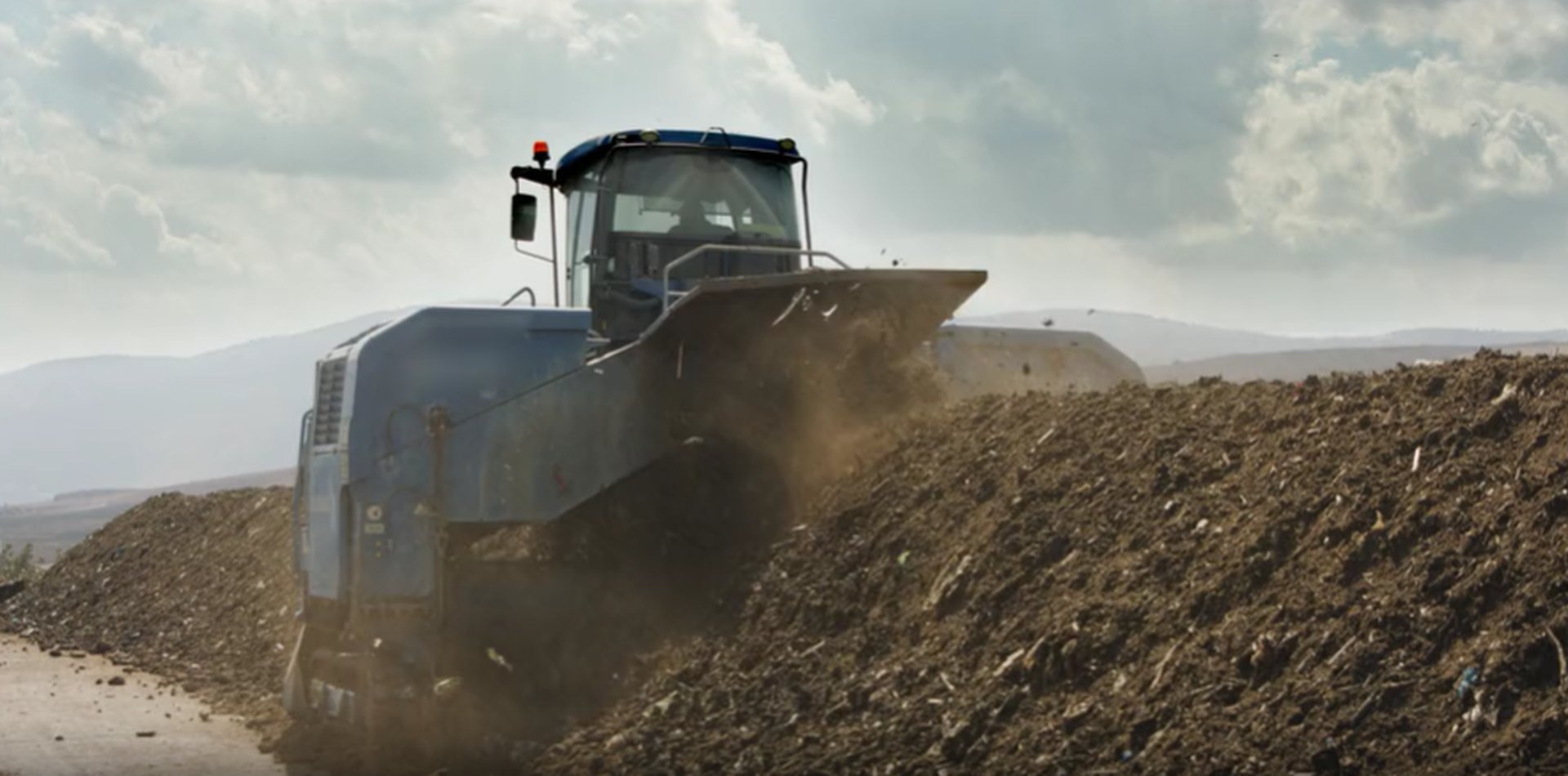
Front loader at compost site

This is the technical overview of how Irys organizes monitoring coverage across the yard.

Coverage model

Coverage is organized by operating zone, perimeter point, and context layer.

Instead of treating each device as a standalone product, the platform organizes the site into monitoring layers that can be reviewed together in one dashboard and reporting structure.

Field workflow

For in-pile temperature monitoring, site staff place and reposition sensors as part of normal compost operations. Irys manages the monitoring infrastructure, connectivity, dashboard structure, alerting, and reporting that sit around that field workflow.

Operating zones

Define active windrow blocks, curing areas, receiving zones, or other practical operating areas for internal monitoring coverage.

Perimeter points

Place ambient stations where complaint exposure, neighboring uses, entrances, or prevailing wind make data most useful.

Context layer

Overlay weather and environmental context so spikes, complaints, or field events can be interpreted with more confidence.

Platform workflow

From field data to reviewable operating views.

The platform is designed to move from site layout and device placement into dashboards, alerts, and reports that are organized around real operating areas rather than generic sensor IDs.

Zone mapping and site commissioning
Cellular connectivity and device management
Dashboard views by area, layer, or condition
Alerts and recurring reporting workflows
Compost bays
Platform modules

The platform is built from three monitoring modules.

System composition

Each device has a role, and the platform ties them together.

Irys combines internal pile monitoring, perimeter awareness, weather context, solar-ready deployment, and site connectivity into one managed system for alerts, review, and documentation.

No customer internet. No site power required in many deployments.

Platform architecture

One operating system for compost monitoring.

Internal pile temperature, perimeter awareness, weather context, and site connectivity should feel like one managed system instead of separate products.

Sensor layerLong-probe internal temperature monitoring for active piles, windrows, or bays.
Perimeter layerAmbient gas stations placed where complaint risk, wind direction, or neighboring uses matter most.
Context layerWeather and environmental context to explain site conditions and improve incident lookback.
Service layerDeployment, cellular connectivity, optional solar-ready power, dashboards, alerts, and monthly operating support.
Long-probe temperature sensor

Long-probe temperature sensors

Used inside selected piles, windrows, or bays to provide continuous internal temperature visibility. Site staff place and reposition the probes as part of normal compost operations, while Irys manages the monitoring layer around that workflow.

Perimeter gas station

Fenceline gas stations

Placed at perimeter locations where odor response, complaint exposure, wind direction, or neighboring uses make monitoring most useful. They help document what is happening at the edge of the site.

Weather station

On-site weather station

Adds local wind, rainfall, humidity, and environmental context so internal and perimeter events can be interpreted with more confidence.

Solar power kit

Solar power kit

Optional solar power supports remote deployment areas without requiring existing site power. It helps make the platform practical where infrastructure is limited.

Cellular gateway
Connectivity layer

Cellular gateway

Connects the field devices and sends readings back to the platform over cellular, so the system does not depend on customer internet or site Wi‑Fi.

This is the site connectivity layer that ties the other field devices together and turns them into one unified monitoring system for dashboards, alerts, and reporting.

How the layers work together

In-pile sensors show internal conditions. Perimeter stations show what is happening at the site edge. The weather station adds context, solar supports remote deployment, and the gateway unifies those layers inside one platform.

No site infrastructure required

The platform can be deployed without requiring customer internet and, where needed, without depending on existing site power. Cellular connectivity and optional solar power make remote coverage practical.

What customers are really buying

The value is a managed monitoring system that makes site conditions easier to see, explain, document, and act on over time.

Build the site around your operation

Start with one layer or deploy the full platform.

Some sites begin with internal temperature only. Others need perimeter and weather context from day one. The platform can expand either way.

Request a coverage review