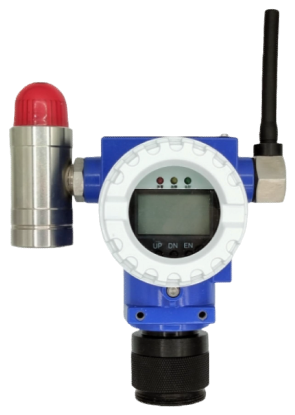
Fenceline monitoring

Fenceline monitoring for odor risk and compliance support.

Fenceline monitoring adds an ambient layer around the site to help teams identify odor-related events, respond with better context, and maintain a time-stamped record of perimeter conditions.

Ambient gas monitoringComplaint response supportPerimeter history
Gas sensor

Place stations where wind direction, nearby uses, or complaint history make visibility most valuable.

Why include it

Perimeter data supports a more complete site record.

Internal temperature helps explain pile behavior. Fenceline monitoring helps explain how site conditions may be presenting beyond the pile itself. Used together, the platform becomes much more useful operationally and defensibly.

Better complaint investigations

Review time-stamped perimeter conditions against operating activity and weather context.

Stronger event awareness

See whether an issue was isolated, recurring, directional, or associated with a specific time window.

Expandable coverage

Start with a few perimeter points and add more coverage as neighboring sensitivity or site complexity grows.

Service structure

Delivered as coverage, configuration, and managed service.

Fenceline deployments should fit inside the same commercial model as the rest of the platform: setup, monthly support, and optional expansion. That keeps the offer aligned with a managed-services business instead of a one-time sensor project.

Initial perimeter point planning
Station deployment and gateway integration
Alert configuration and review thresholds
Ongoing dashboard and reporting support
Compost operation at fenceline
Add context

Fenceline monitoring is strongest when paired with weather context.

Wind direction, gusts, rainfall, and other local conditions help explain perimeter events much more clearly.

See weather monitoring